The best things to do in the Netherlands are not limited to canals, museums and cycling routes. For founders, expats and international teams, a number of practical questions also arises: how cities work, how people move, how administration connects to daily life, and how realistic a long-term business base feels.
Start with cities, not a checklist of attractions
Most visitors begin with Amsterdam, and for good reason. It offers canals, museums, international events, startup networks, restaurants, English-friendly services and a strong first impression of Dutch urban life. But anyone considering the Netherlands as a place to build a company should resist making Amsterdam the whole story.
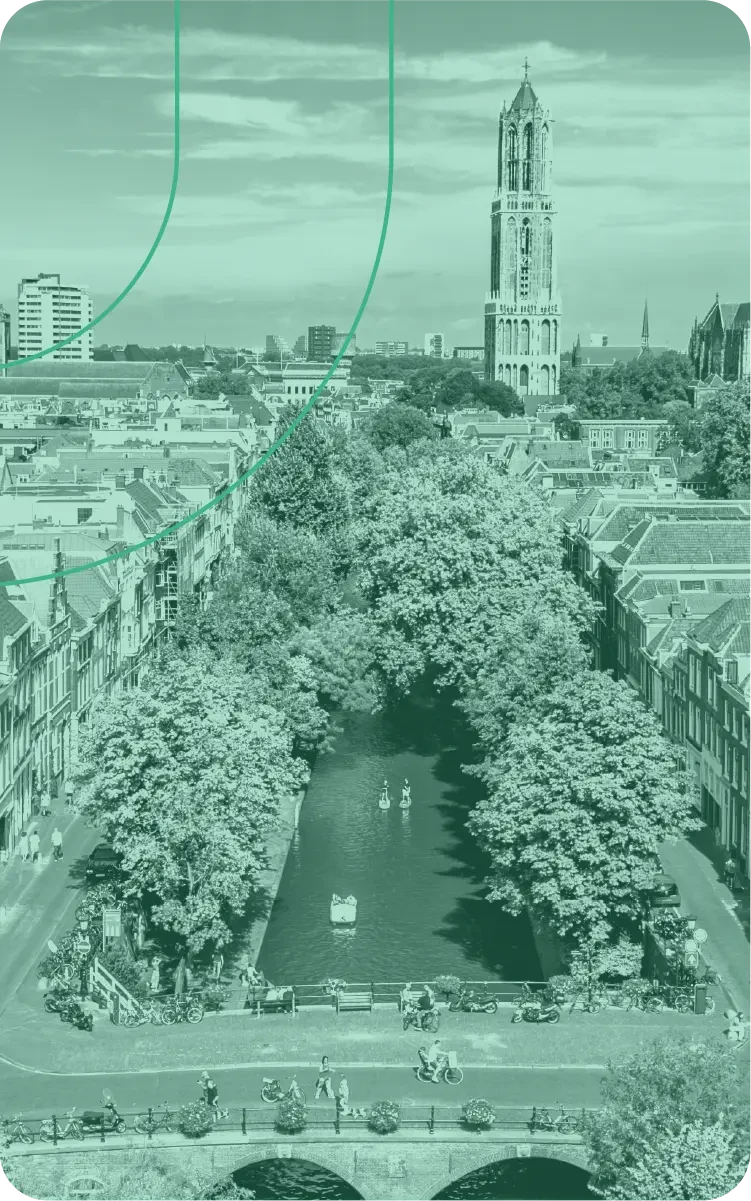
The Netherlands is compact, and that matters. Holland.com points to Utrecht, Rotterdam, The Hague, and Maastricht as cities that are easy to reach by train, with historic streets, museums, modern architecture, coastal areas, countryside, and nearby villages.
That mobility is more than a tourism benefit. A founder can compare meeting culture in Amsterdam, transport reliability in Utrecht, international institutions around The Hague, the scale and port-driven economy of Rotterdam, and the cross-border feel of Maastricht. A weekend trip tells you what is beautiful. A weekday visit tells you what is workable.
Look beyond Amsterdam to understand the Dutch business landscape
Amsterdam is often the first city international founders know, but the Dutch business environment is not concentrated in one place. Rotterdam may be more relevant for logistics, mobility, maritime, architecture, scaleups and industrial networks. The Hague can matter for law, policy, impact organizations and international institutions. Utrecht often feels central, connected and livable, which can help when hiring or relocating a small team.
The best thing to do is to visit these cities with a business question in mind. Where would a client meeting feel natural? Where could employees commute without a car? Where are office options close to stations? Where does the city’s rhythm align with your team's culture?
This approach prevents a common mistake: choosing a base because it looked attractive during a short trip. For international companies, location affects more than lifestyle. It can shape hiring, client trust, access to advisers, housing pressure, office choices, and the team's everyday energy.
Use cycling and trains to test daily life
Cycling is one of the most useful ways to understand the Netherlands. In fact, it is frequently highlighted as a core part of Dutch life and holland.com notes, that the compact nature of Dutch cities is what makes bicycle travel a common way to move around.
For newcomers, this changes the practical calculation. A city that looks expensive on paper may become easier if commuting is short and daily transport costs are low. A neighborhood far from the center may still work if it has a safe cycling route to the station, schools, childcare or a coworking space.
Train travel gives another layer of insight. Instead of asking only which city is “best”, test a few real routes. Travel from a potential home area to a possible office location in the morning. Visit a second city for a meeting in the afternoon. Notice how often you would need a car, how much time is lost between appointments and whether your team could realistically use the same network.
Treat company setup as part of the relocation experience
For founders, the Netherlands is not only a place to explore. It is a jurisdiction where administrative choices have operational consequences. Business.gov.nl states that every new company in the Netherlands must register in the Business Register of the Netherlands Chamber of Commerce, KVK, and that separate registration with the Netherlands Tax Administration is not needed because it happens automatically through KVK registration.
Before registration, practical items may need to be arranged. Business.gov.nl explains that a BSN may be needed to register a business, and that a Dutch address is required for the company registration.
The legal form also deserves attention before the notary or registration appointment. Business.gov.nl explains that a legal structure affects tax obligations and liability for company debts. It also notes that structures without legal personality can involve personal liability for business debts.
This is where travel and setup meet. A founder who chooses a city, address and structure too quickly may create avoidable friction later. The better route is to compare cities, clarify the business model, understand liability, and then align the administrative setup with the real operating plan.

Know which immigration route fits the founder, not just the idea
A strong business idea does not automatically solve the immigration question. If you are from outside the EU, EEA or Switzerland, your right to live and work in the Netherlands may depend on your personal situation, nationality, business activity and residence route.
Business.gov.nl explains that the Dutch startup residence permit is designed for people from outside the EU who want to start an innovative business in the Netherlands. The permit is valid for a maximum of one year and requires guidance from an experienced facilitator. IND’s startup page should be checked for current requirements and application steps at the time of planning.
Daily registration also matters. Government.nl states that people who will live in the Netherlands for longer than four months must register as residents in the Personal Records Database, BRP, and must do so within five days of arrival. Business.gov.nl explains that anyone registered as a resident in the BRP automatically receives a citizen service number, BSN.
For a founder, these are not side details. They affect banking, tax, payroll, contracts, housing and the credibility of the company’s first months.
A practical first-month checklist for founders and newcomers
Use your first serious visit to gather evidence, not just impressions. The following checklist helps turn a trip into a business and life assessment.
Spend at least one weekday in Amsterdam, Rotterdam, Utrecht and The Hague if your schedule allows.
Test train routes between your possible home city, office location, advisers and client areas.
Cycle or walk from residential neighborhoods to stations, schools, coworking spaces and supermarkets.
Check whether your intended company address is suitable for KVK registration.
Compare legal structures with liability, tax, governance and future investment in mind.
Verify whether you need a residence permit, startup permit or another immigration route before making commitments.
Prepare a realistic first-six-month budget covering personal relocation, company formation, accounting, payroll, insurance and workspace.
Speak with local advisers before signing housing, office or service contracts that affect registration.
The best Dutch experience is the one that clarifies your next move
The Netherlands rewards practical exploration. The best things to do are still enjoyable: walk canal streets, ride a bicycle, visit museums, take trains between cities and spend time in local neighborhoods. But for founders and international teams, the real value is in connecting those experiences to decisions about company formation, registration, residency status, city choice and operating rhythm. Unusual Companies can be a useful reference point for entrepreneurs who want to turn that early exploration into a clearer company setup or startup visa plan in the Netherlands.
*This article is for general information only, and does not replace legal, tax, payroll or immigration advice for a specific case.
What are the best places to visit in the Netherlands for first-time founders?
Start with Amsterdam, but do not stop there. Visit Rotterdam, Utrecht and The Hague on weekdays, test transport routes and observe where your clients, advisers and possible team members could realistically meet.
Is the Netherlands easy to explore without a car?
For many routes, yes. Dutch cities are compact, cycling is part of daily life, and intercity trains make it practical to compare several cities during one trip.
Can I start a Dutch company before living in the Netherlands?
In some cases, foreign entrepreneurs can register a company in the Netherlands, but practical requirements such as address, legal structure, BSN and residence status must be carefully checked. The right process depends on your nationality, business model and whether you plan to live in the Netherlands.